
JD Sports: Shoes & sneakers
JD Sports Fashion PLCShopping
4.0791.00 Reviews
- Version
- 5.11.0
- Installs
- 500.00K
- Age Rating
- Everyone
Screenshots

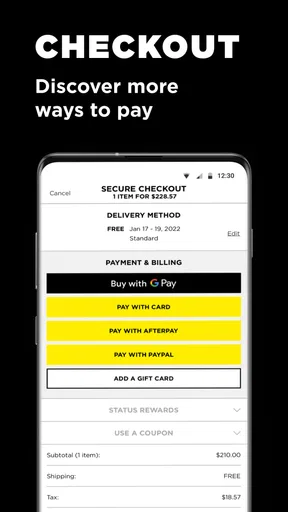
Our Review of JD Sports: Shoes & sneakers
 Analysis by Appyee
I usually judge shopping apps by what happens after the first exciting browse. A polished launch screen and a tempting pair of trainers can win me over for ten minutes, but the real question is whether the app remains useful when I simply need to find the right size, check a release, or replace worn workout clothing without turning the process into a chore. That is the standard I applied to JD Sports: Shoes & sneakers, the free shopping app from JD Sports Fashion PLC.
Its focus is clear: footwear, sportswear, basketball sneakers, workout clothes, exclusive releases, and rewards. That narrow purpose is a strength because I never felt lost in unrelated products. It is also a limitation, because this is not a general marketplace where I can compare every brand or search across many retailers. My overall impression is that it earns a place on a sportswear shopper’s phone when used as a practical browsing and release-checking tool, but it does not automatically become an everyday app for everyone.
From first-week excitement to a useful shopping habit
I find that a dedicated shopping app becomes useful when it turns an occasional browse into a deliberate routine, not when it simply gives me another reason to scroll. In this section, I look at how I’d move from early curiosity to purposeful visits, especially when a release or a replacement pair gives me a clear reason to open it. That routine also sets up the question of what still earns a place on my phone later.
Why the first few sessions feel worthwhile
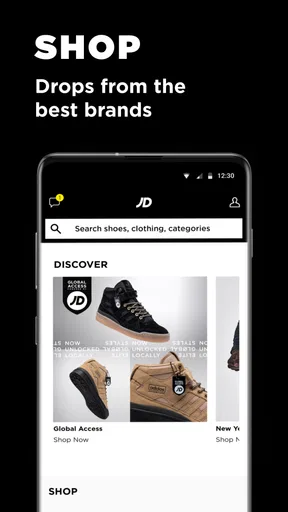
During the first week, the appeal comes from having JD’s shopping experience in a compact format. I can open it with a specific intention—looking for basketball shoes, checking workout clothing, or browsing a new footwear collection—and get to the relevant part of the catalog without starting from a broad web search. That directness matters when I already know the kind of product I want.
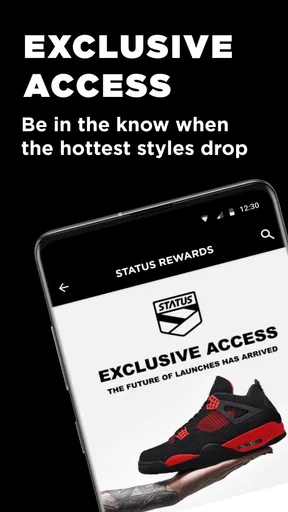
The app is especially appealing to shoppers who follow sneaker launches or prefer buying from a familiar sports retailer. Exclusive releases give the experience a reason to return beyond ordinary browsing, while rewards add another incentive for people who regularly buy trainers and athletic clothing. I would not install it only to make one random purchase, but I can see the logic for someone who shops at JD repeatedly.
My first useful habit would be to browse with a plan rather than treating the app as an endless feed. I would decide whether I am comparing basketball footwear, refreshing gym basics, or looking for a particular style before opening it. That makes the focused catalog work in its favor. Without a clear purpose, the same focus can feel narrower than a browser search or a multi-brand shopping app.
The app’s store presence also suggests a reasonably established user base: it has passed 500 thousand installs and sits at a 4.0 average from roughly 3.5 thousand ratings. Those figures do not guarantee a perfect experience, but they make it easier for me to treat the app as a maintained retail channel rather than a temporary experiment. It is rated for Everyone, which fits the straightforward shopping purpose.
What I would do before placing an order
I would use the first sessions to learn how the catalog is organized and how quickly I can move between product discovery and decision-making. For shoes, that means checking available sizes and comparing several silhouettes instead of committing to the first attractive image. For clothing, I would look at the full product information before adding anything to a basket, especially when fit or fabric matters more than appearance.
One practical tip is to separate discovery from buying. I might save the details of a pair I like, then return later after checking whether it suits my usual rotation. This avoids the common shopping-app trap of purchasing because a release feels urgent. The app’s emphasis on exclusive releases can create that pressure, so a short pause is useful even when the product looks appealing.
I would also make rewards part of the decision rather than the sole reason to buy. If I am already planning to purchase sportswear, rewards can make the JD ecosystem more attractive. If I am buying something I would not otherwise want, the reward does not automatically make the transaction sensible. That distinction is important because loyalty features are most valuable when they support an existing shopping habit instead of manufacturing one.
Where the app fits beside ordinary alternatives
Compared with visiting the JD website in a mobile browser, the app’s main advantage is convenience. I can keep it available for quick checks and return to the retailer without opening another tab. That is useful for regular customers, particularly when browsing on a phone is already part of their routine. The trade-off is that an installed app takes up a place on the device and may feel unnecessary for someone who buys only once or twice a year.
Compared with a general marketplace, JD’s narrower catalog is both cleaner and less flexible. I would choose this app when I want JD’s own selection, releases, and rewards. I would choose a broader retailer or price-comparison route when the lowest price, the widest range of brands, or cross-store availability matters more than staying within one sportswear chain.
That makes the first-week verdict fairly simple. The app is strongest when the retailer itself is part of the reason I am shopping. If I am only searching for “black running shoes” and have no preference about where they come from, the dedicated experience has less to offer.
Questions I would settle early
The app is free to install, so the initial barrier is low. The important question is not whether I can try it, but whether I will return often enough to justify keeping it. I would also want to know whether my preferred sizes and styles appear consistently in the catalog, because a shopping app becomes frustrating when browsing is easy but the products I actually want are unavailable.
I would not assume that every release or every reward will suit my needs. The useful approach is to treat the app as a direct window into JD’s offering, not as a guarantee that every desired sneaker will be available whenever I open it. That expectation keeps the experience realistic and reduces disappointment caused by browsing with a single must-have item in mind.
What remains valuable after the novelty fades
The longer-term test is whether the app continues to help with real shopping decisions after the excitement of trying it has passed. I focus here on the habits that make its releases, rewards, and focused sportswear selection useful without encouraging unnecessary purchases. From there, I consider how those habits fit different needs and abilities in everyday situations.
The month-to-month role for regular shoppers
After the first month, the app has to earn its space through repeat usefulness. For me, that means three recurring jobs: checking new footwear, replacing practical sportswear, and returning to rewards when a purchase is already planned. Those are believable reasons to keep it installed because they connect to normal shopping needs rather than constant entertainment.
Someone who plays basketball, trains regularly, or rotates through several pairs of sneakers may get more lasting value than a casual fashion shopper. The app’s emphasis on basketball sneakers and workout clothes gives it a clear audience. I can imagine opening it before a new training block, when a worn pair needs replacing, or when I want to compare a new silhouette with what I already own.
The strongest long-term workflow is deliberate: browse during a planned shopping moment, note the products that fit the need, check the size and details carefully, and use rewards if they naturally apply. This is more sustainable than opening the app every day hoping to discover something. A retail app does not need daily use to be valuable; it needs to save effort when the relevant need appears.
How rewards affect repeat value
Rewards are potentially the feature that separates a dedicated retailer app from a simple mobile website. They give repeat customers a reason to keep the app nearby and may make the shopping relationship feel more continuous. In my view, their value depends on how often I already buy from JD. A frequent customer can build a useful routine around them, while an occasional buyer may barely notice the benefit.
I would avoid changing my purchase timing solely to chase a reward. A good habit is to check the reward position when I am already ready to buy, then decide whether it improves that purchase. This keeps the feature practical and prevents the app from turning normal browsing into pressure to spend.
Another sensible habit is to review the basket before completing it. Sportswear purchases can easily become larger than intended when a new shoe leads to matching clothes or accessories. The app’s focused assortment makes those additions tempting, so I would compare the full basket with the original need. If I came in for training shoes, I would ask whether the extra items solve a real problem or merely benefit from the excitement of the release.
When exclusive releases help and when they do not
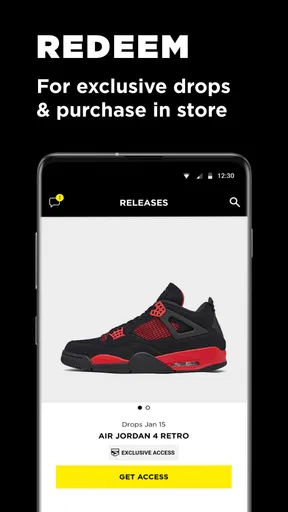
Exclusive releases are valuable for shoppers who care about specific launches and want a direct place to monitor them. They can also make the app feel more relevant than a generic catalog. However, exclusivity can narrow my choices. If I need dependable everyday footwear rather than a particular release, comfort, fit, durability, and availability should outweigh the excitement of a limited selection.
I would therefore divide my monthly use into two modes. In practical mode, I would search for a replacement pair or workout clothing that supports a real activity. In discovery mode, I would browse exclusive releases and new styles without assuming I need to buy. Keeping those modes separate is one of the easiest ways to preserve the app’s usefulness after the novelty disappears.
Who gets the most lasting value
I think the app suits people who already recognize JD as one of their preferred sportswear retailers. It is also a sensible option for sneaker fans who want a dedicated place for footwear browsing, and for active users who replace training clothes often enough to appreciate a focused catalog. The free price makes trying it low-risk, and the age rating keeps the experience broadly accessible.
I would be less enthusiastic for someone who rarely shops for sportswear, needs detailed technical comparisons across many specialist brands, or mainly wants the cheapest available offer. That shopper may be better served by a general marketplace, a specialist running retailer, or a browser-based comparison process. The app is not weak because it lacks those purposes; it is simply designed around JD’s own shopping environment.
Maintenance: what I would keep under control
The maintenance burden is modest but real. Any shopping app can become cluttered with abandoned baskets, repeated browsing, and notifications that encourage unnecessary visits. I would keep the app useful by checking its settings and reducing interruptions that do not help me shop. I would also remove it if I notice that I am opening it from habit without a genuine need.
On the product side, maintenance means being honest about what I buy. Shoes require rotation and care, while workout clothes need regular washing and sensible replacement. The app can help me find the next item, but it cannot make a poor purchase durable. I would use it to support a small, considered sportswear rotation rather than continually expanding one.
The current version is 5.11.0, and the app supports devices running Android 7.1 or later. That makes compatibility worth checking before installation on an older phone. For most users with a reasonably current device, this should not be a major concern, but an older handset owner should confirm that the app can run comfortably before relying on it for a time-sensitive purchase.
Everyday scenario: replacing a worn training pair
Imagine I notice on Monday that the sole of my training shoes is wearing down. I would open the app during a lunch break, browse basketball or workout footwear depending on the activity, and compare several options instead of choosing purely by color. I would check the size I normally wear, review the product information, and leave the app if I still need to think about fit or budget.
Later, I could return to the same shortlist, decide whether the purchase is genuinely needed, and check whether a reward is relevant. If the app makes that second visit easy, it has done something useful: it has shortened the path from need to considered purchase without forcing me to browse an entire marketplace. If the selection does not fit, I would move to another retailer rather than treating the dedicated app as my only option.
Where fatigue can appear
The main source of fatigue is the tension between shopping convenience and constant temptation. New releases and attractive sportswear are enjoyable to browse, but repeated exposure can make every visit feel like an invitation to spend. I prefer using the app in response to a need, a planned release, or a genuine interest in a product category.
Another possible fatigue point is repetition. If I already know the JD catalog well and am not waiting for a particular launch, there may be little reason to open the app between purchases. That is not a serious flaw, but it means the app’s value is periodic rather than universal. I would not expect it to replace social media, a general browser, or a complete wardrobe-planning tool.
There is also a comparison trade-off. A dedicated retailer app can make browsing feel smoother, yet it may encourage me to evaluate only what one retailer offers. For expensive footwear or specialist training, I would still compare materials, fit guidance, and alternatives elsewhere. Convenience should reduce effort, not remove independent judgment.
My long-term verdict
After the initial excitement fades, I would keep JD Sports: Shoes & sneakers installed if I regularly buy trainers, basketball footwear, or workout clothing from JD. Its free access, focused catalog, exclusive-release angle, and rewards give it a credible recurring role. The developer, JD Sports Fashion PLC, has built an app with a clear retail identity rather than trying to serve every kind of shopper.
I would not call it essential for occasional buyers. If I make rare sportswear purchases, a mobile browser may be enough, and if I need broad price comparison, another shopping route will probably be better. The app earns its place through repeat relevance, not through the promise of endless browsing.
My recommendation is to install it with a specific purpose: follow footwear you genuinely care about, shop for a real training need, or make better use of a retailer you already visit. Keep rewards tied to planned purchases, resist release-driven impulse buying, and compare outside the app when fit, technical performance, or price matters most. Used that way, it becomes a convenient part of a sportswear routine rather than another app competing for attention.
Verdict
Strengths of JD Sports: Shoes & sneakers
- Wide selection of popular sneakers, sportswear, and exclusive releases.
- Useful filters make it easier to browse by size, brand, color, and price.
- Product pages include multiple images and detailed sizing information.
- App notifications can alert you about new drops, offers, and restocks.
- Store locator helps find nearby JD Sports shops and check local availability.
Limitations of JD Sports: Shoes & sneakers
- Some popular sizes and limited-edition products sell out very quickly.
- Prices can be higher than those of competing sportswear retailers.
- Availability may differ between the app, website, and physical stores.
- Frequent promotional notifications may feel excessive for some users.
- Returns and exchanges can be less convenient for online purchases.
Similar Picks in This Category
View All
SHEIN-Shopping Online
Roadget Business PTE. LTD.4.8

Amazon Shopping
Amazon Mobile LLC4.4


Mercado Libre: Compras online
Mercado Libre4.8

Wish: Shop and Save
Wish US Holdings LLC4.7

Alibaba.com - B2B marketplace
Alibaba Mobile4.4
Frequently Asked Questions
What is JD Sports: Shoes & Sneakers used for?
JD Sports: Shoes & Sneakers is the official shopping app for browsing and purchasing footwear, clothing, and accessories from brands such as Nike, adidas, Jordan, and The North Face. During testing, the app made it easy to explore categories, search for specific products, check available sizes, view product images, and place orders directly from a mobile device.
Can I buy sneakers and clothing through the JD Sports app?
Yes, the app allows users to purchase sneakers, sportswear, casual clothing, and accessories, depending on the products available in their region. You can add items to your basket, select a size, enter delivery details, and complete payment in the app. Product availability, prices, delivery options, and supported payment methods may vary by country.
Does JD Sports: Shoes & Sneakers offer exclusive releases or limited-edition products?
The app may feature exclusive products, limited-edition sneakers, special collaborations, and launch events that are not always available in regular stores. Some releases can sell out quickly, so users should enable relevant notifications and check launch information carefully. Availability and release procedures differ by market, and certain products may require additional registration or specific launch rules.
Can I track my JD Sports order and manage returns in the app?
After placing an order, users can generally review purchase details and follow delivery updates through their JD Sports account or order information. The app or linked customer-service pages may also provide instructions for returns, refunds, and exchanges. Before ordering, check the current policy for your country, including return deadlines, exclusions, shipping fees, and whether store returns are supported.
Is JD Sports: Shoes & Sneakers free to download, and is an account required?
The JD Sports app is generally free to download, although you will need to pay for any products you purchase and may see delivery charges depending on the order and location. Browsing may be possible without signing in, but an account can be useful for saving details, viewing order history, receiving personalized offers, and managing notifications. Make sure the app is downloaded from the official store listing.
